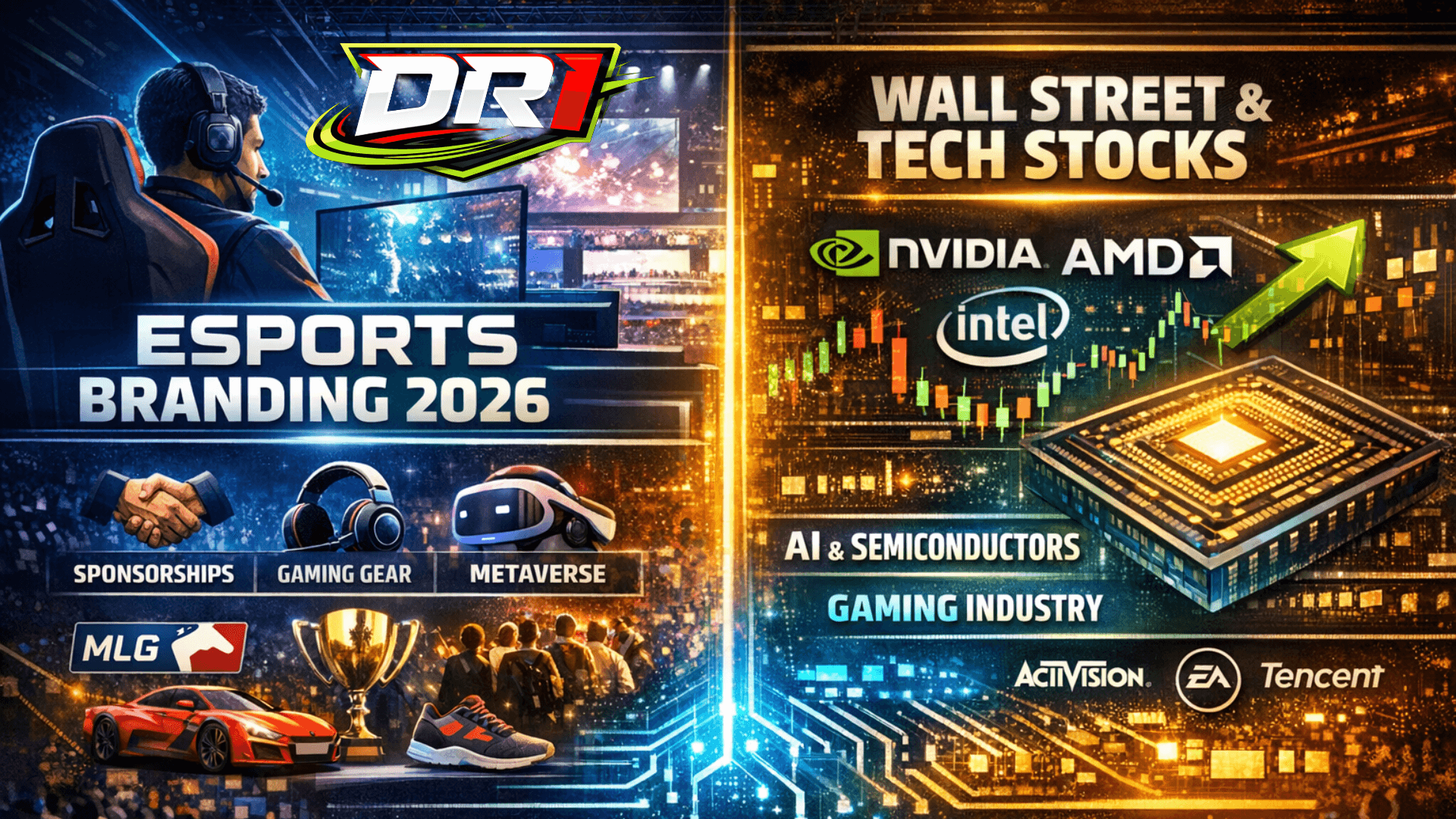
🎮 Branding 2026: How Esports Has Evolved
From MLG to Modern Esports Culture
Esports began as grassroots competitive gaming in the 2000s, with early leagues like Major League Gaming (MLG) helping formalize tournaments and fan communities. Over time, that foundation expanded into a global media ecosystem where players, teams, and brands interact with fans through live streams, social media, and experiential events.
Today’s esports branding is less about one-off sponsorships and more about digital lifestyle alignment. Premier events attract millions of simultaneous viewers worldwide, and brands — from energy drinks to hardware makers — pursue long-term, story-driven partnerships that connect with youth culture at scale.
Modern Trends in Esports Marketing (2026)
1. Integrated Sponsor Ecosystems:
Brands don’t just sponsor teams — they co-create content, host digital activations in games, and build fan experiences tied to lifestyles and identities rather than just viewership numbers.
2. Amplified Hardware Partnerships:
Gaming peripherals and high-performance PC brands increasingly co-brand with teams and individual creators, signaling “elite performance” — a concept esports fans identify with emotionally.
3. Event Co-Development and Ownership:
Major game publishers and property owners like Sony (through EVO), Riot Games, and ESL actively shape events as part of broader brand ecosystems that blend competition with entertainment.
4. Cross-Sector Collaborations:
Esports isn’t siloed: automotive brands, fashion labels, and even traditional sports leagues (NBA 2K League) are part of collaborative branding strategies. This makes esports a cultural intersection between entertainment, competition, and fandom.
5. Digital Identity and Community First:
Brands are leaning into fan-generated content, Discord communities, and metaverse-style engagements that make fans feel like contributors, not just consumers.
📈 Wall Street & Tech Stocks: The Chip Powerhouse
Esports branding ultimately rides on technology — both the hardware gamers use and the broader computing infrastructure that powers platforms and AI. Over the last decade, semiconductor and tech stocks have become the backbone of the digital economy, influencing how competition, streaming, and gaming gear evolve.
AI + Chips = Market Leaders in 2026
Semiconductors have been a central force behind the current tech market. AI demand, data centers, and advanced chip architectures are driving hefty gains:
• NVIDIA remains the central node in advanced graphics and AI compute — with GPUs that train and run the models behind streaming infrastructure and competitive analytics.
• AMD has expanded in server CPUs and GPUs, capturing attention for its AI-oriented chip families.
• Intel is seeing a renewed investor focus as AI demand boosts server chip interest, following restructuring and external investments.
The semiconductor sector as a whole — represented by ETFs and individual leaders — continues to outperform broad markets, driven especially by memory and data-processing hardware tied to AI workloads.
Meanwhile, memory and storage names like SanDisk have been among the best performers in the S&P 500 in 2026, showing investor confidence in hardware that supports massive data flows.
Gaming & Esports Stocks Still Play a Role
While pure esports organizations (like FaZe Clan historically) have had volatile stock experiences, broader game publishers and tech companies in the gaming space show more traditional investment appeal. Companies like Tencent, Take-Two, EA, NetEase, Activision Blizzard (through parent Microsoft) are often mentioned by analysts as gaming and esports exposure plays due to their ownership of gaming IPs and competitive ecosystems.
🧠 Branding Meets Finance: What This All Means
Here’s the connective tissue between esports trends and Wall Street today:
1. Identity + Tech Symbiosis
Esports branding is no longer just who you sponsor — it’s how your ecosystem scales digitally. Successful brands integrate cloud streaming tech, AI-powered engagement, and seamless device performance into their identities.
2. Hardware as Narrative
Gamers and esports fans often view hardware as part of their self-expression — choosing rigs, peripherals, and platforms that reflect identity. Companies that align their branding with elite performance, design, and community narratives win deeper loyalty.
3. Market Forces Influence Culture
As chip stocks and tech companies drive Wall Street trends, they indirectly shape genomics, data centers, and gaming infrastructure. For example, surging memory prices due to AI demand impact PC hardware economics, which feeds into gaming hardware branding cycles.
4. Future Outlook
Expect brand ecosystems that combine esport teams, hardware partnerships, live experiences, and digital ownership (like NFT-linked fandom or exclusive digital content) to grow. At the same time, investors will watch semiconductor and cloud infrastructure stocks for the health of the tech layer underpinning the entire space.
📌 In Summary
Branding in esports for 2026 is:
- Integrated (across platforms and fan experiences)
- Tech-centric (powered by hardware and AI)
- Cultural (engaging fans as communities, not just viewers)
And the financial markets — especially semiconductors and related tech stocks — continue to reflect how critical digital infrastructure is to gaming’s growth. From early MLG days to today’s AI-powered era, branding in esports has matured into a strategic confluence of culture, community, and computation.