Divergent Technologies: From Hypercar Dreams to Pentagon Arsenal – How One Startup Is Reindustrializing America
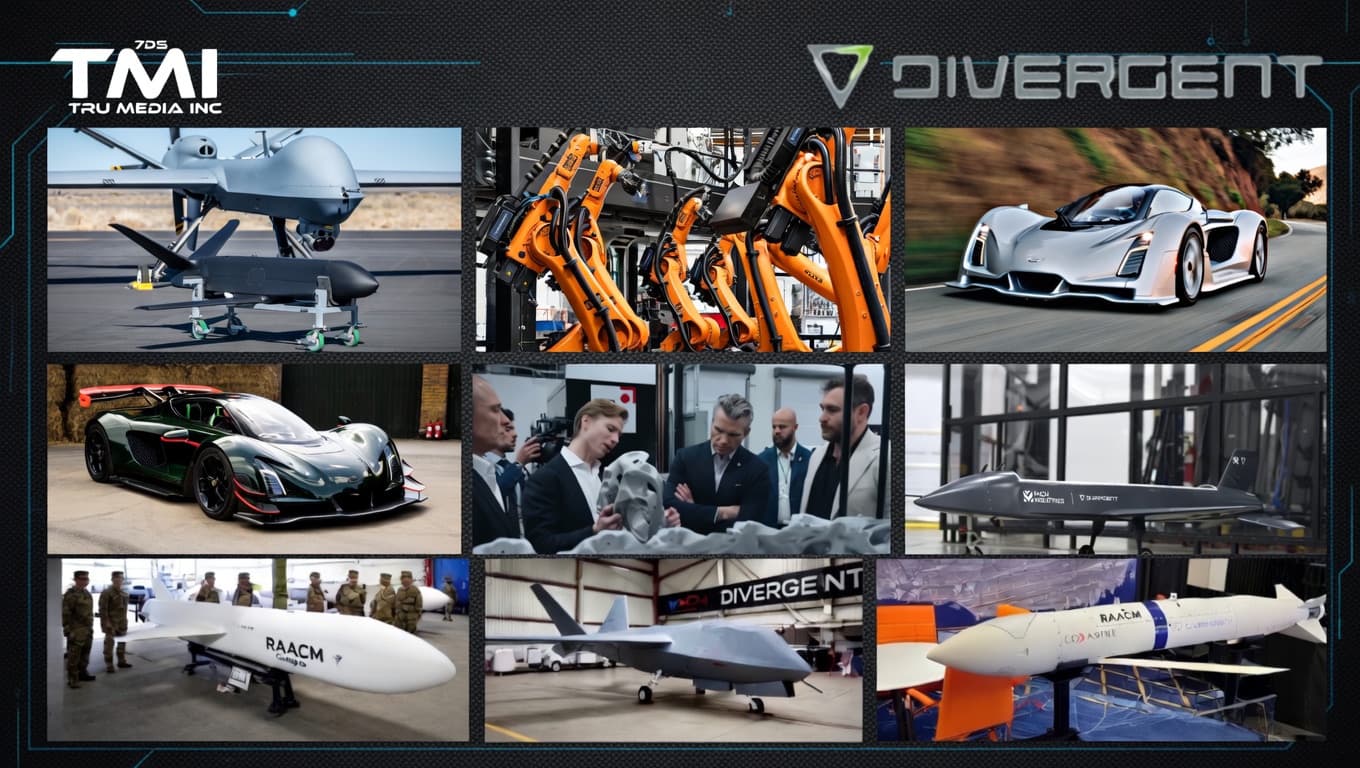
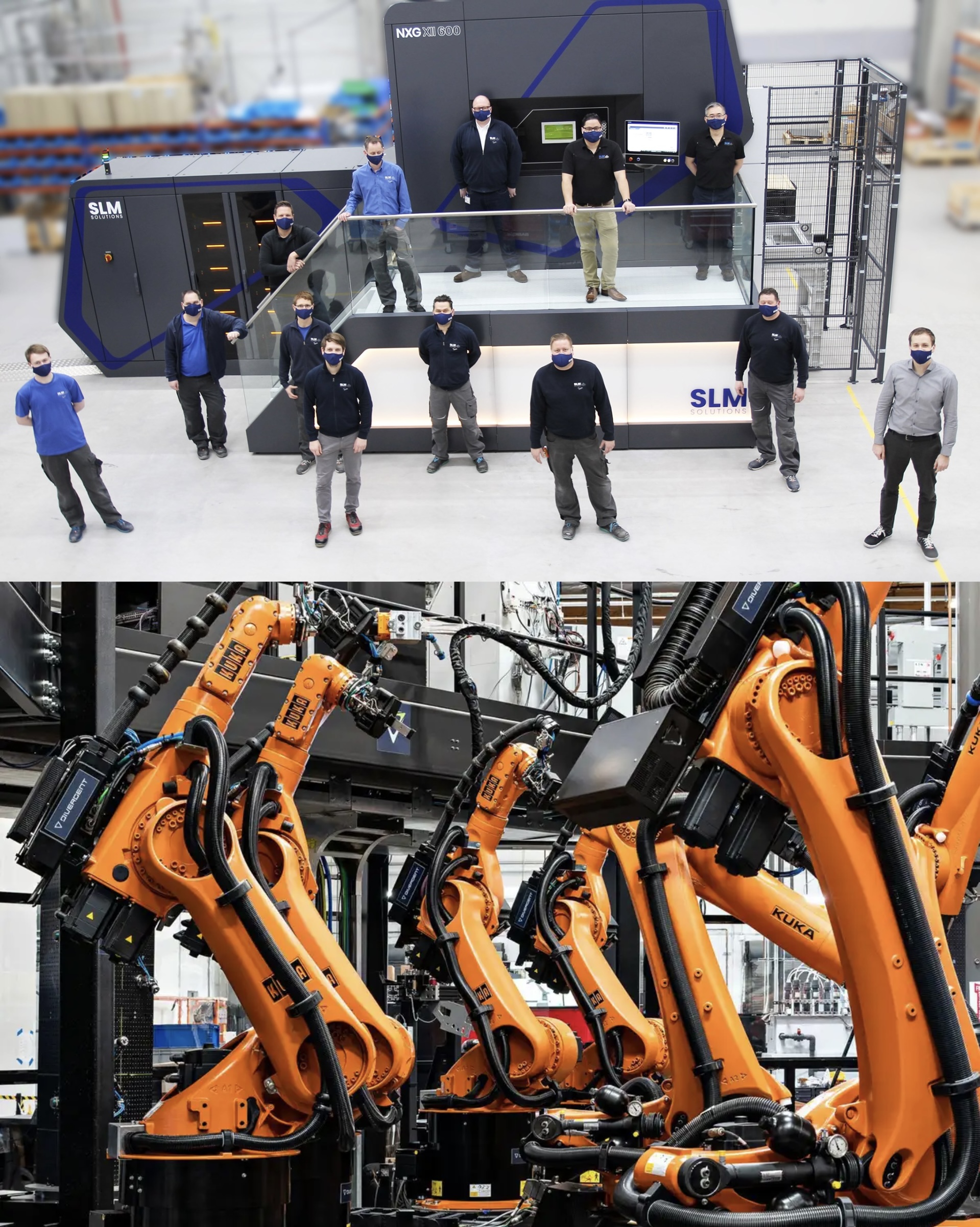
In a nondescript factory in Torrance, California, the same robotic arms and 3D printers that once assembled the world’s fastest street-legal hypercar are now churning out cruise missile airframes at a fraction of traditional costs.
Divergent Technologies, the company behind this manufacturing revolution, has quietly become one of the Pentagon’s most promising new partners in the race to rebuild America’s defense industrial base.
The Founder: Kevin Czinger’s Winding Road to Reinvention
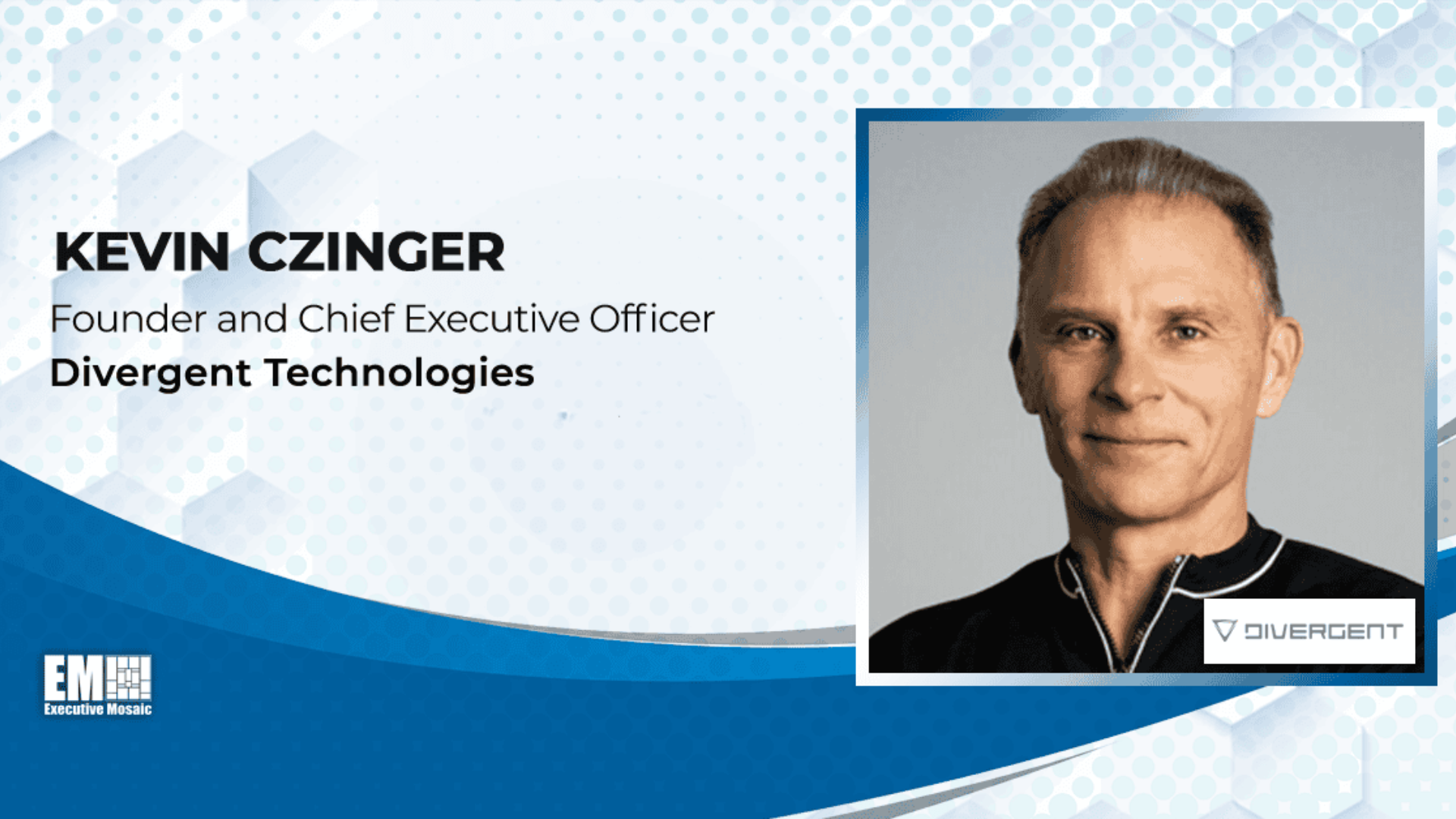
Kevin Czinger, founder of Divergent in 2014, brings a diverse background: U.S. Marine Corps Reserve infantry rifleman, federal prosecutor, Goldman Sachs executive, and co-founder of early electric-vehicle maker Coda Automotive.
A Yale College and Yale Law School graduate from working-class Cleveland roots, Czinger witnessed America’s industrial decline.
His insight at Coda was that the real problem wasn’t just how cars are fueled, but how they are built—with massive, inflexible factories and global supply chains.
“I learned that how we make our cars is a much bigger environmental problem than how we fuel our cars,” Czinger has said.
He set out to reinvent manufacturing. His son, Lukas Czinger (now CEO), joined as a key partner.
Kevin serves as executive chairman and lead inventor, with the team holding hundreds of patents.
How It Started: The Divergent Adaptive Production System (DAPS)
Divergent’s core innovation is the Divergent Adaptive Production System (DAPS™)—a software-defined platform combining AI-driven generative design, industrial-scale metal 3D printing (optimized nodes in aluminum and advanced alloys), and universal robotic assembly.
A single “microfactory” can switch from hypercar chassis to missile bodies without retooling.
The company demonstrated this with its Czinger Vehicles division.

The Czinger 21C hypercar (and earlier Blade prototype) features a fully 3D-printed structure, tandem seating, a 1,250-horsepower hybrid powertrain, and exceptional performance—all designed and built rapidly.
Divergent has supplied lightweight, optimized chassis components to luxury automakers including McLaren, Bugatti, and Aston Martin.
The Pivot to Defense: Missiles at the Speed of Software
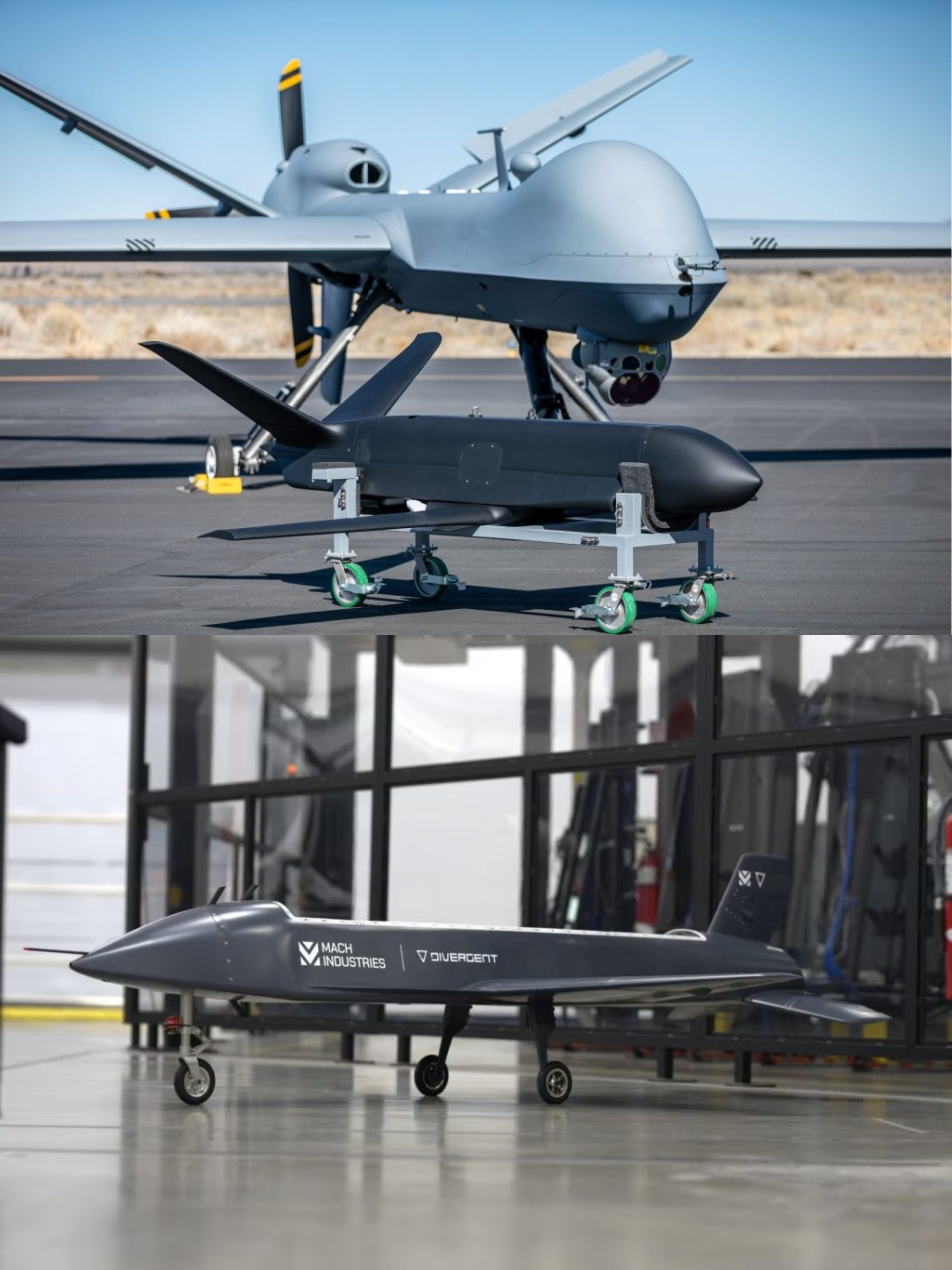
Starting in 2022 with drone work for General Atomics, Divergent expanded into aerospace and defense amid growing munitions demands.
The company now partners with over 15 prime contractors—including Lockheed Martin, Raytheon (RTX), General Atomics, Triumph Group, Anduril, and Castelion—producing parts to complete airframe systems.
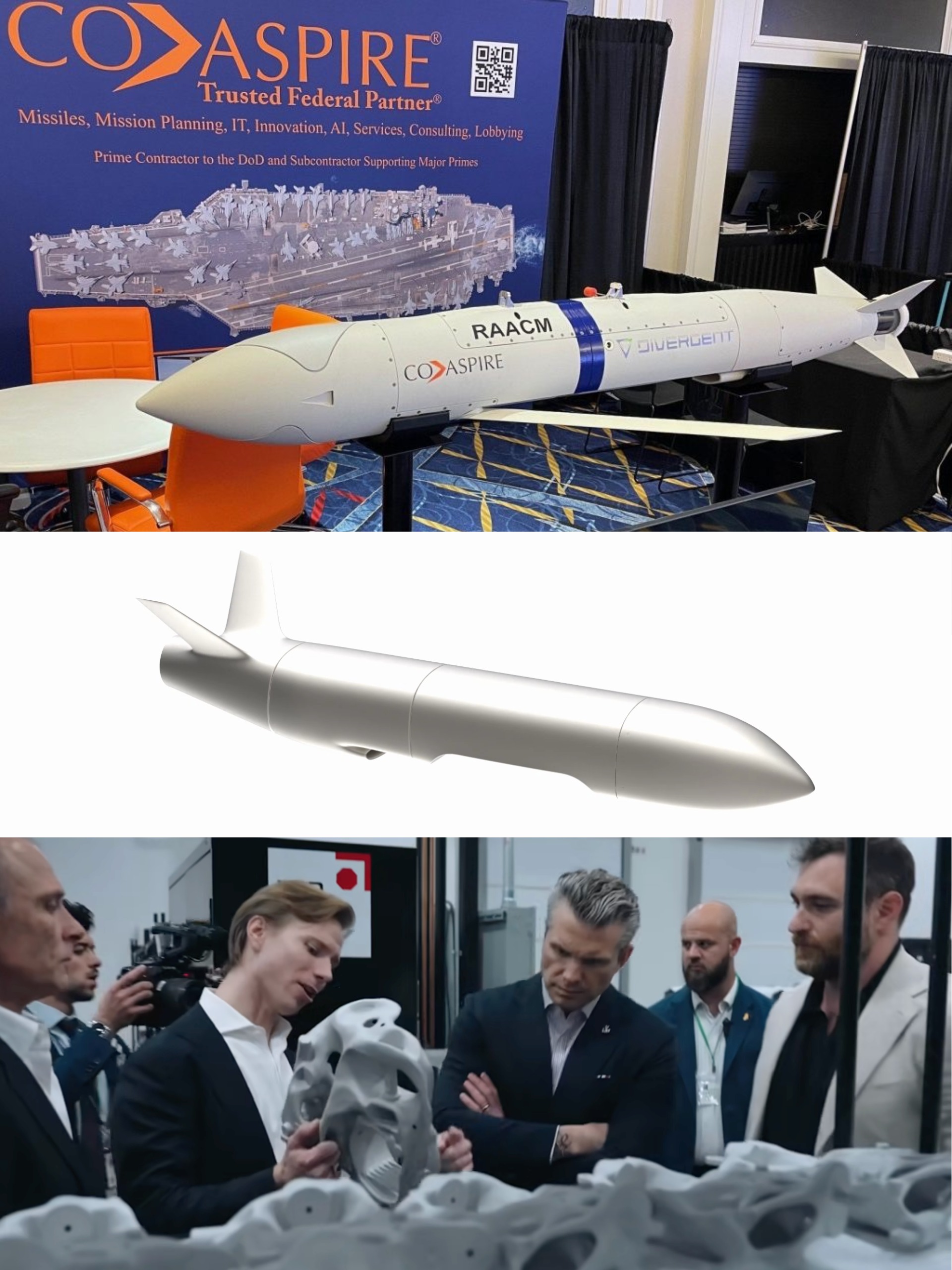
Its focus includes low-cost 3D-printed missile airframes (including cruise-missile bodies) at significantly reduced prices compared to legacy methods.
Notable achievements include taking a new missile from concept to first flight in just 71 days.
The same lines handle hypercar and defense components interchangeably.
In 2025, the U.S. Air Force selected Divergent for the $46 billion Eglin Wide Agile Acquisition Contract (EWAAC).
The company has introduced hundreds of unique aerospace and defense part numbers, with strong revenue growth.
Defense leaders have visited the facility as part of efforts to accelerate U.S. production.
The Business Boom and National Security Focus
In September 2025, Divergent closed a $290 million Series E round at a $2.3 billion valuation to expand missile parts production and automated systems.
The company proactively addressed foreign-ownership concerns by removing Chinese investors and suppliers.
Kevin Czinger’s mission: reposition America as the world’s leading maker of things. Lukas Czinger emphasizes creating a leading manufacturing base through leapfrog technology.
From hypercar pioneer to key defense supplier, Divergent shows how additive manufacturing and software can deliver speed, scale, and cost savings for both commercial and national security needs.
Further Reading and Official Sources:
- Official Divergent Technologies website:
- Czinger Vehicles (hypercar division):