The helicopter pad at DFW used to mean one thing: money, noise, and a short hop for people who already had both.
This month it meant something else.
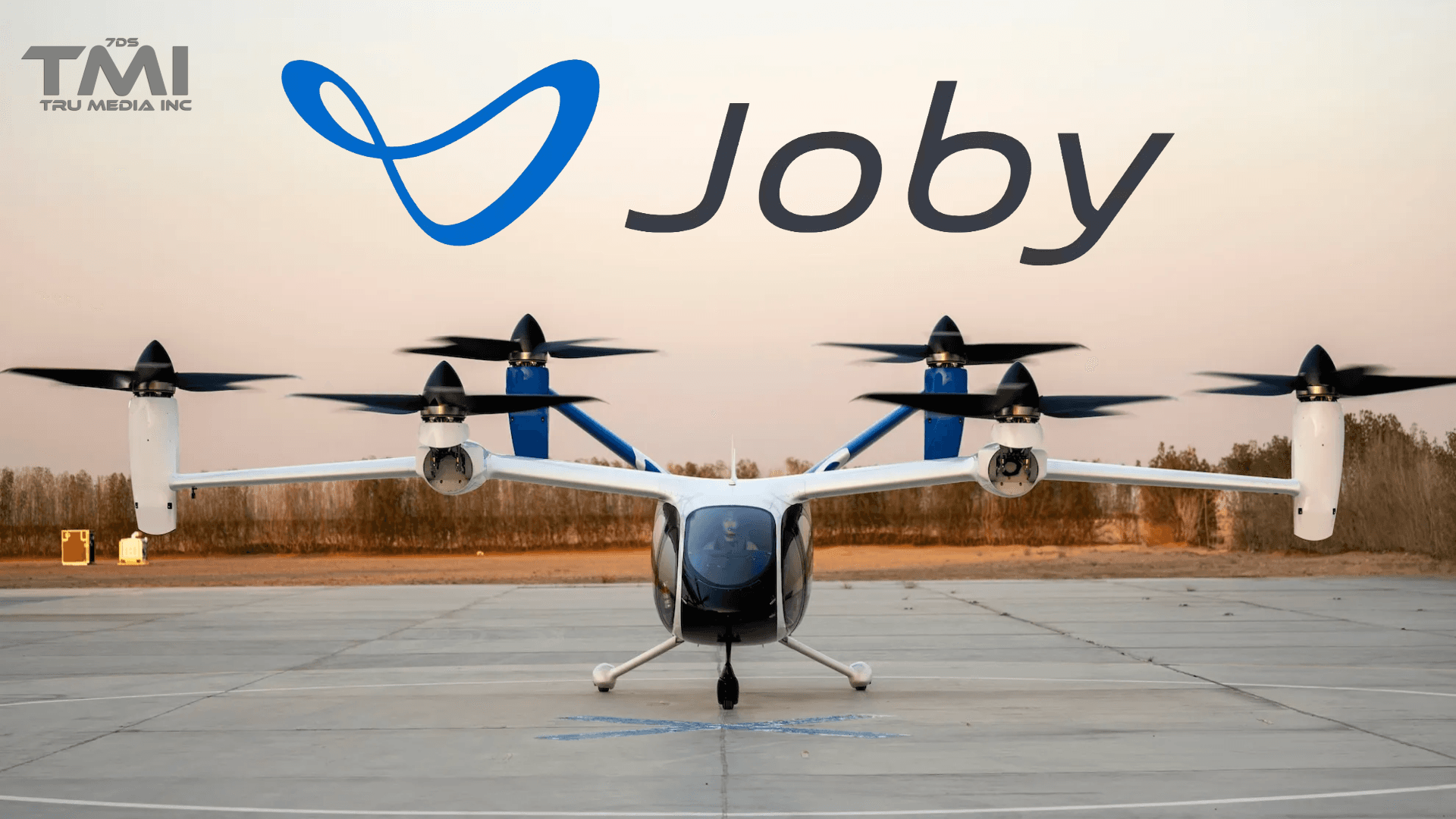
A quiet, six-rotor machine dropped out of the Texas sky, settled onto the ramp, and sat there like a car that had learned to levitate.
No turbine scream.
No rotor wash that knocks your hat off.
Just a white-and-black airframe and a pilot who, if Joby’s plan holds, will someday be optional.
That is the pitch Joby Aviation has been selling for years: Uber, but above the traffic.
Four passengers, one pilot for now, two hundred miles an hour, vertical takeoff from a rooftop or a parking-lot vertiport. Skip the freeway.
Skip the TSA line if the route is short enough.
Pay with an app. Land where the city actually is.
In September the company stopped talking about it and started flying it in public.
Under a White House-backed pilot program, Joby’s electric air taxi began tracing real routes across Dallas–Fort Worth.
Alliance Airport.
Downtown.
The controlled airspace around DFW itself.
The flights were demonstrations, not ticketed rides, but they were the first time the machine was asked to behave like a scheduled service instead of a prototype.
The company still says paying passengers arrive before the year is out.
The stock market has not bought the story.
JOBY closed Thursday around $6.30, a long way down from last year’s highs near $20.
Certification is late.
Cash burn is real.
Five aircraft are flying and twelve more are in the factory; that is not yet a fleet. Blade, the helicopter network Joby already owns, is carrying the revenue — $36 million last quarter — while the electric future is still being certified.
What changed in the last two weeks is the other half of the company.
A converted Cessna Caravan, stuffed with Joby’s autonomy software, flew more than three thousand miles across the United States with a safety pilot sitting in the seat and never touching the controls.
Taxi.
Takeoff.
Cruise.
Landing.
Remote operators watched from California and from an Air Force base in South Carolina.
The plane was not the air taxi.
It was the argument that the same software can haul freight, medevac, disaster supplies, and defense cargo when the passenger market is still waiting on the FAA.
That is how “flying Uber” becomes more than a slogan.
Uber started as black cars.
Then it became everything with wheels. Joby is trying the same move in the air: passenger first, because that is the dream people understand, then cargo and government work because that is how you stay alive while the dream is certified.
Toyota is helping build the factory.
A company founded by Travis Kalanick is talking about the hubs.
Virgin Atlantic wants the aircraft in the United Kingdom.
The Pentagon already has a piece of the autonomy work.
None of that puts a commuter in a seat tomorrow.
All of it is the scaffolding for the day the app says “Your air taxi is three minutes out” and a machine that looks like a drone the size of a van actually shows up.
The Texas flights this month were quiet on purpose.
That is the product. Not a helicopter.
Not a jet.
A car that leaves the ground.
If Joby gets the certificate, the noise you hear next year will not be rotors.
It will be the notification that your ride is here — and it is already above the traffic.