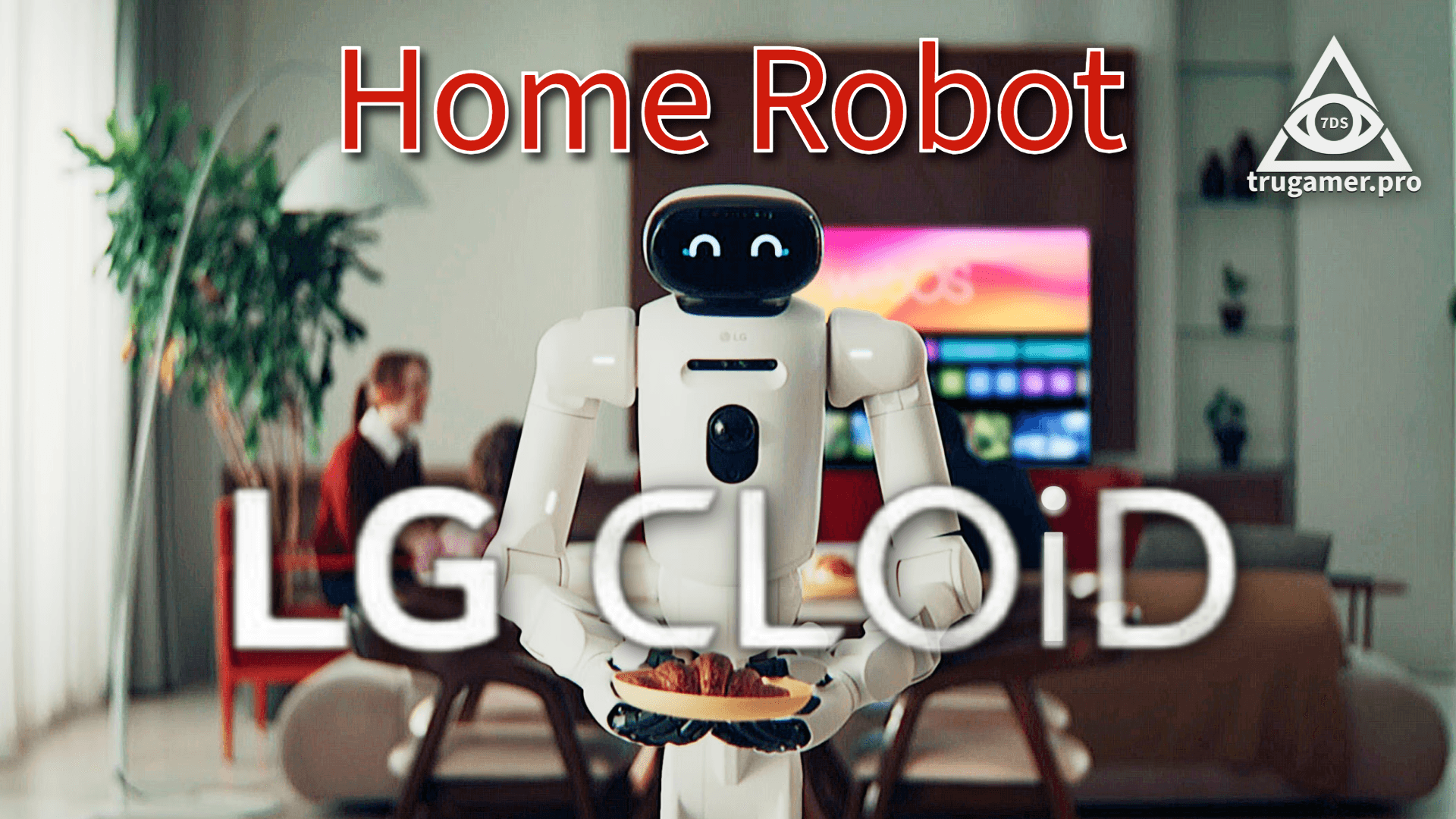
LG CLOiD (often stylized as LG CLOiD™) is LG Electronics' new AI-powered home robot, unveiled and demonstrated for the first time at CES 2026 in Las Vegas (January 6-9, 2026).
It represents LG's vision for a "Zero Labor Home” — a future where intelligent machines handle everyday household chores, freeing up time for what matters most.
This marks LG's push into advanced domestic robotics, building on their existing CLOi service robots (mostly for commercial use) and smart home ecosystem.
Key Features and Design
- Form Factor: Wheeled base for safe, stable autonomous navigation (derived from LG's robot vacuum tech), with a low center of gravity to minimize tipping risks around kids or pets. It has a torso that can adjust height/tilt, plus dual articulated arms.
- Arms & Hands: Each arm has 7 degrees of freedom (similar to human arm mobility), allowing forward/backward, rotational, and lateral movements. Hands feature 5 independently actuated fingers for precise, dexterous manipulation (e.g., gripping delicate objects like glasses or towels).
- Head Unit ("Brain"): Functions as a mobile AI home hub with:
- Display and cartoon-like animated eyes for expressive facial communication.
- Speaker, cameras, various sensors.
- Voice-based generative AI for natural spoken interaction and understanding user intent.
- AI Technology: Powered by Physical AI, including:
- Vision Language Model (VLM) to process images/video into structured understanding.
- Vision Language Action (VLA) to turn verbal/visual commands into physical actions.
- Trained on thousands of hours of household task data for context-aware behavior.
- Smart Home Integration: Seamlessly connects to LG's ThinQ™ AI Home Platform and ThinQ ON hub, allowing it to control/orchestrate other LG appliances (e.g., starting the oven, washing machine, or commanding a robot vacuum to clean a spot).
Demonstrated Capabilities at CES 2026
In live demos and controlled scenarios at LG's booth, CLOiD performed tasks like:
- Fetching milk from the fridge.
- Placing a croissant on a tray and putting it in the oven for breakfast prep.
- Loading laundry into the washing machine.
- Folding and stacking towels/garments (slow and deliberate — e.g., ~30 seconds per towel).
- Handing items to users (e.g., keys or water).
- Proactively directing other devices (e.g., telling an LG robot vacuum to clean a dirty spot).
- Basic interactions like fist-bumping presenters or responding to voice requests.
Reviewers noted the movements are careful and slow (prioritizing safety over speed), and demos were choreographed — it couldn't yet handle fully unstructured tasks like picking clothes from a scattered hamper.
Current Status & Future
- It's a prototype/concept showcased at CES 2026 — not yet commercially available.
- LG emphasizes safety, reliability, and gradual development for real homes (no firm release date or price announced).
- The company views it as evolving into a broader "ambient-care agent" (e.g., potential caregiving role).
- Reactions from media and social media highlight excitement about the progress toward useful home robots, but also realism: speed, full autonomy, and cost remain challenges.
If you're interested in visuals, check out coverage from CES 2026 (e.g., LG's official newsroom or hands-on reports from CNET, TechCrunch, and The Verge). This feels like a big step toward practical household robots — closer than ever, but still a few years from everyday reality! 🚀🤖 What aspect intrigues you most — the folding laundry, smart home control, or something else?