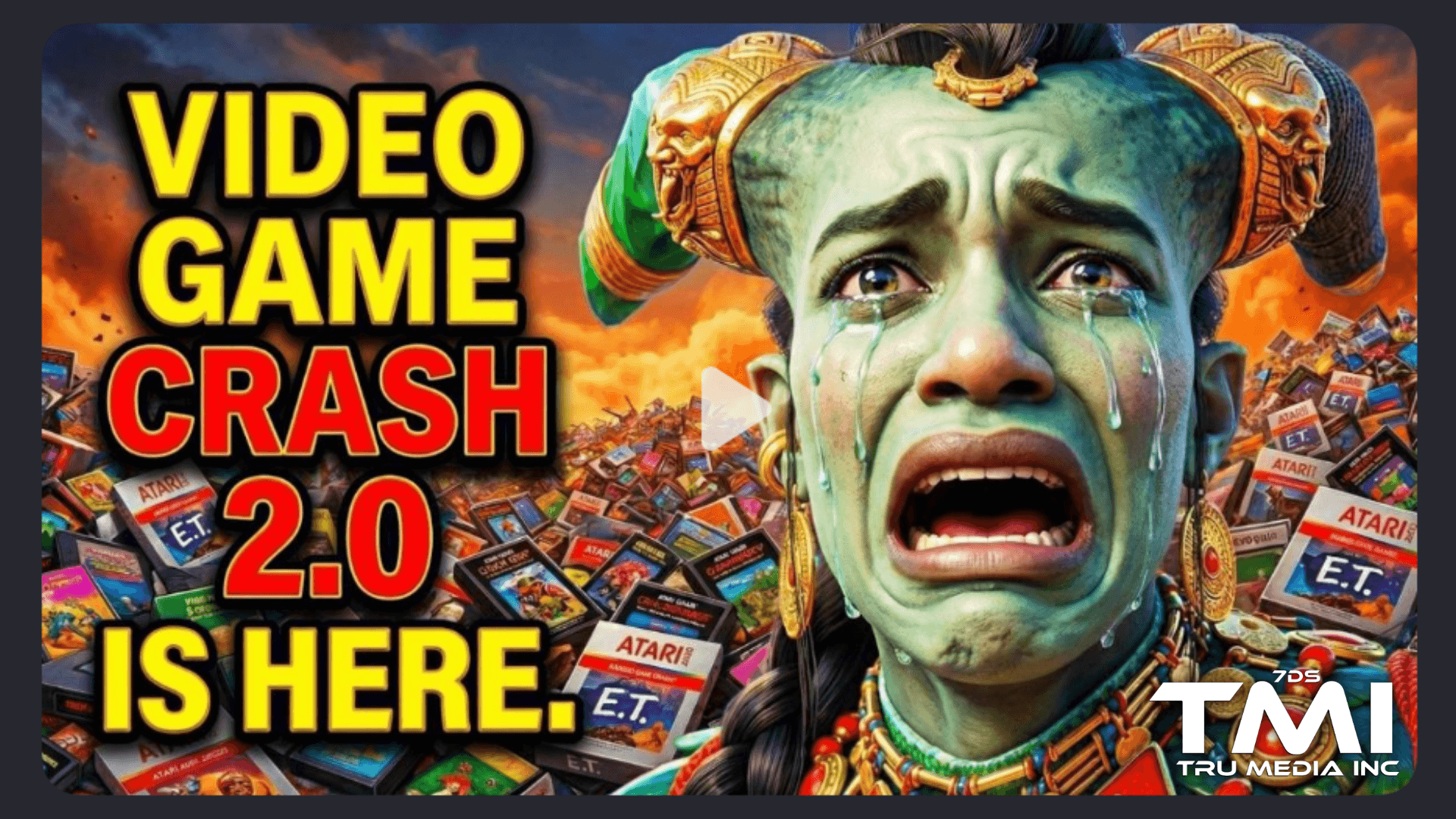
Once upon a time in the high-stakes world of big gaming, the major studios—
—Ubisoft,
—EA,
—Sony,
—Epic Games
—Activision,
—Take-Two, and
—Microsoft—ruled the industry.
For years they delivered blockbuster experiences that millions loved: explosive single-player campaigns, addictive multiplayer, and immersive worlds.
Loyal gamers rewarded them with massive sales, pre-orders, and endless hours online.
Then the pandemic boom hit. Lockdowns turned homes into global arenas.
Revenue exploded.
Studios hired thousands, budgets skyrocketed into the hundreds of millions, and everyone chased the holy grail of “live service” games with endless battle passes and microtransactions.
It felt like the gold rush would never end.
But as the money poured in, powerful outsiders stepped into the boardrooms.
Giant investment firms
—BlackRock,
—Vanguard,
—State Street
held massive stakes in these public companies.
They demanded high ESG scores (Environmental, Social, Governance).
The “Social” pillar pushed heavy Diversity, Equity, and Inclusion mandates: redesigning characters, rewriting stories with approved messages, and bringing in consultants like Sweet Baby Inc. to “modernize” the games for broader, more “inclusive” audiences.
Gaming media outlets
—IGN,
—Kotaku,
—Polygone,
—Gamespot
loudly cheered this shift.
They showered praise on titles that checked every box and branded critics as “toxic” or “problematic.”
Studio executives, worried about investor pressure, Metacritic scores, and negative press cycles, began listening more to these external voices than to the actual players on
—Steam,
—Reddit, and
—Discord.
They convinced themselves the core audience would keep paying regardless.
So they greenlit expensive projects heavy on altered heroes, preachy storytelling, and repetitive live-service grinds instead of raw fun.
High-profile flops followed: Concord, the hero shooter that barely survived weeks before shutdown, and Suicide Squad, a costly live-service disaster that hemorrhaged money.
Gamers tried them, felt the hollowness, and walked away in droves.
The reckoning was swift and painful.
Wave after wave of layoffs hit thousands of developers.
Projects were canceled left and right. Stock prices suffered.
Studios started quietly dialing back the consultants and mandates as the financial pain mounted.
Meanwhile, Japanese powerhouses like —Nintendo,
—FromSoftware, and
—Capcom—along with scrappy indie teams—kept focusing on gameplay-first experiences and continued to thrive.
The real power shift became obvious: Steam user scores,
—YouTube playthroughs and rants,
—Twitch streams,
—Discord servers, and direct community feedback mattered far more than any legacy review score from IGN or Kotaku.
The future of gaming is turning grassroots.
TRU Gamers are seizing the narrative. Through raw, unfiltered channels—player-driven reviews, viral videos, social media callouts, and wallet votes—they’re becoming the real
TMI (True Media Influence).
No more gatekeepers.
No more distant investors or activist consultants dictating what “modern audiences” want.
The players who actually play, pay, and care the most are reclaiming control.
The big studios that adapt and start listening again to what gamers genuinely crave—fun, escapism, skill, and respect—will survive and prosper.
Those that keep chasing outsider agendas will keep bleeding.
The industry isn’t dying; it’s correcting. The magic returns when creators remember who truly crowns them: the gamers themselves.
The players never lost their power.
They were simply ignored for a time.
Now, through grassroots energy and
Tru Gamer influence, they’re making sure that mistake doesn’t happen again.
TMI Welcome to NxGen Gaming.