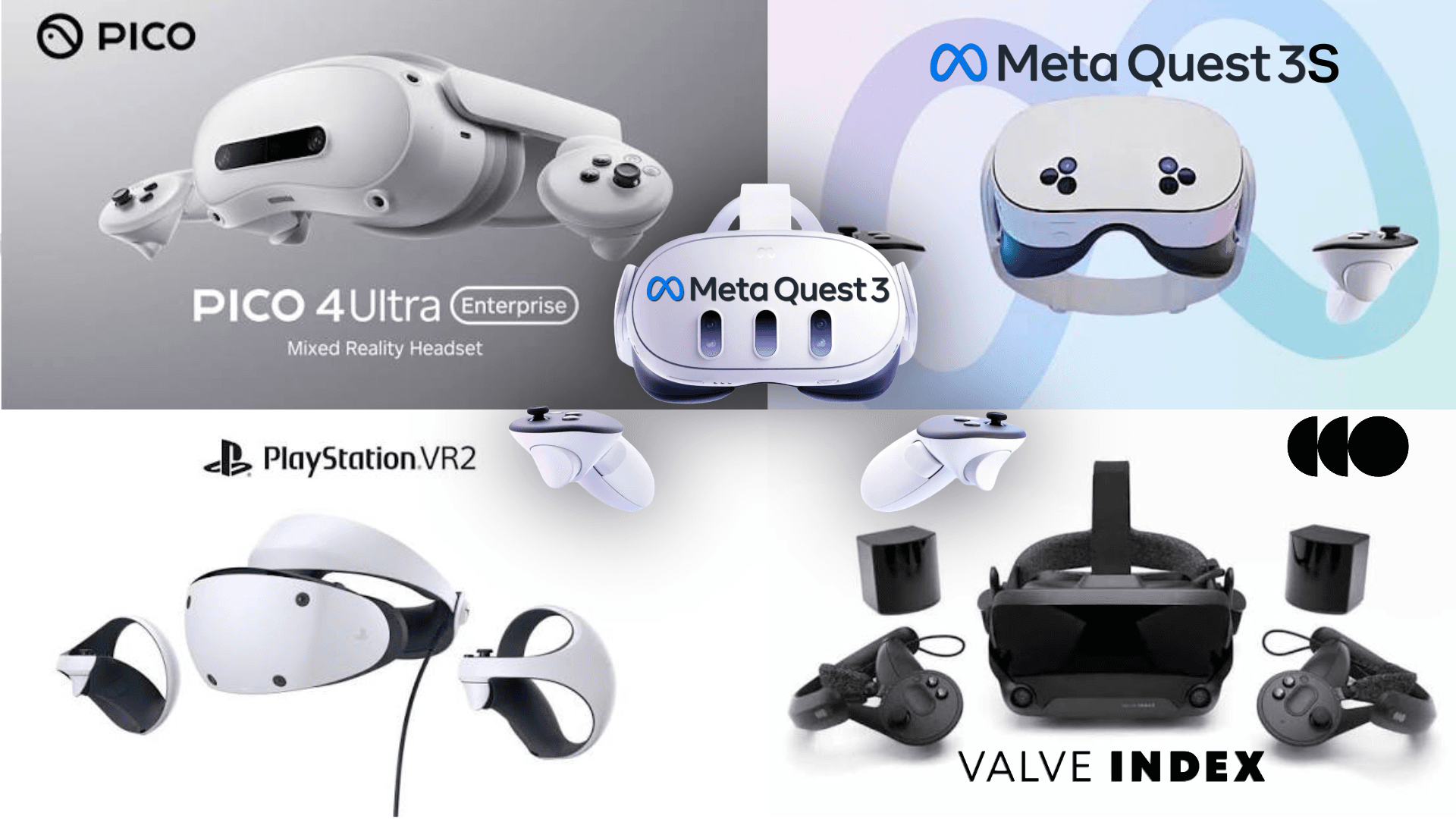
Top 5 VR systems ranked by gamer/user reviews (as of mid-2026).
Gamer feedback (from Reddit, Steam discussions, Amazon/Best Buy user scores, forums, and aggregated sentiments) emphasizes real-world playability: library size, comfort for long sessions, wireless freedom, game performance, and value over raw specs.
Standalone Meta Quests dominate due to massive accessible libraries and ease of use, while tethered options appeal to enthusiasts. Exact numerical user scores vary by retailer (typically 4.3–4.7/5 stars for top models), with strong “recommended” percentages in communities.
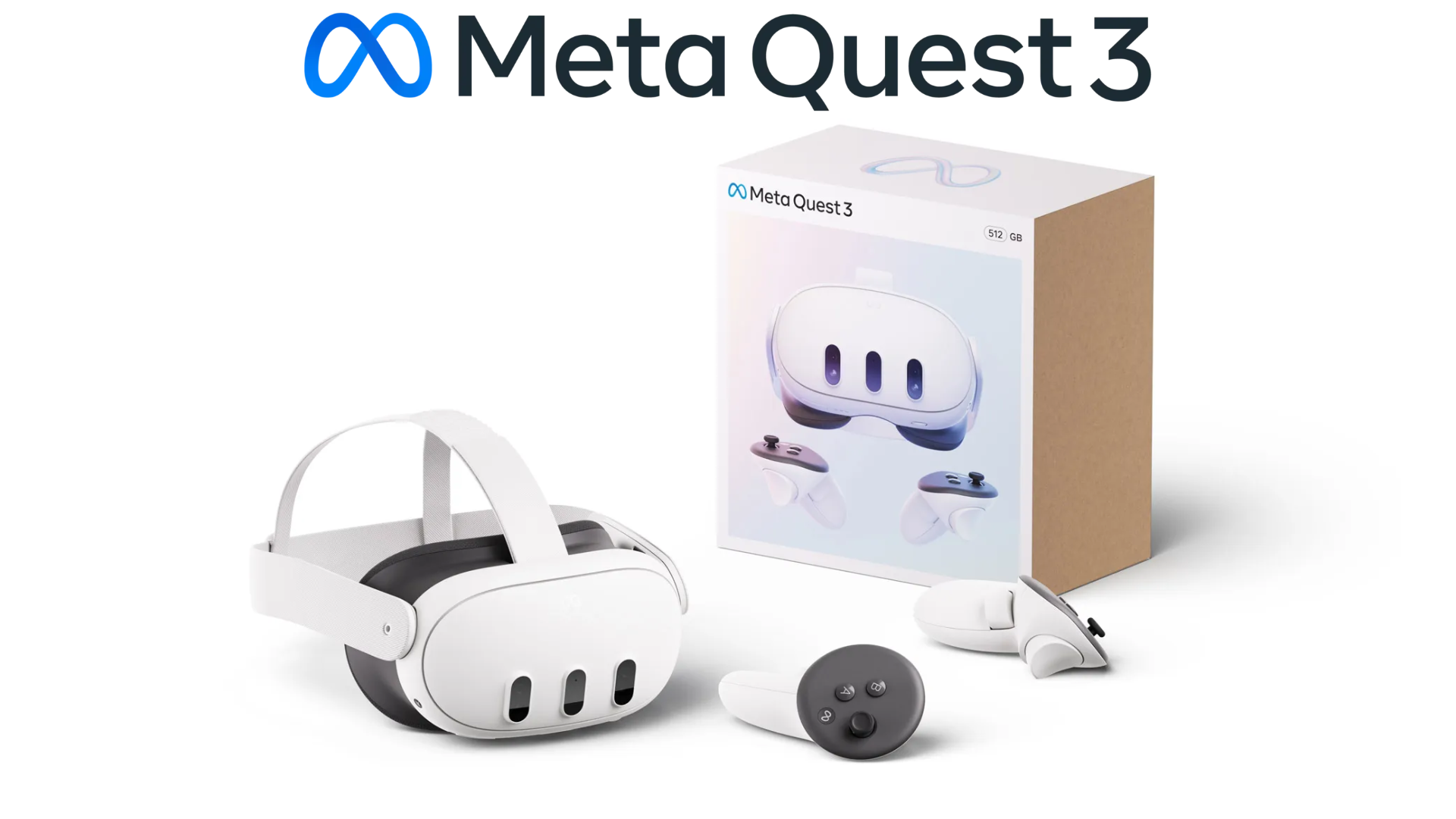
1. Meta Quest 3 (Highest Overall Gamer Praise)
- User consensus: Frequently called the best all-rounder for gamers. Praised for wireless freedom, sharp pancake lenses, color passthrough/MR, huge standalone + PCVR library (Meta Store + Steam Link), and comfort with mods. High satisfaction for daily gaming/fitness/social use. Many long-term owners rate it 8.5–9/10+.
- Common pros: Massive game variety, easy setup, great value.
- Cons: Battery life (~2 hrs; packs help), not the absolute highest PC fidelity.
- Best for: Most gamers, beginners to veterans.
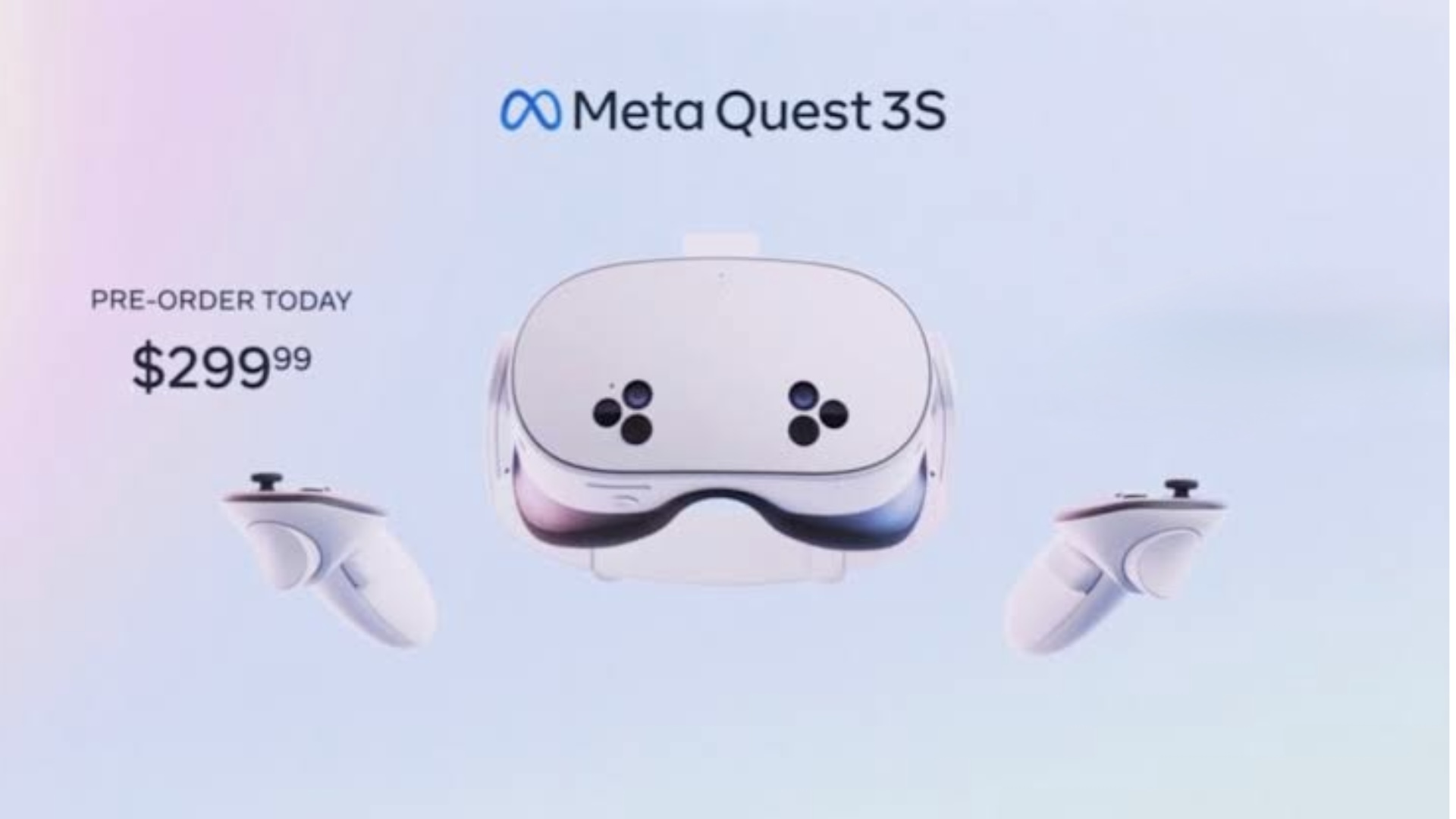
2. Meta Quest 3S (Best Budget Gamer Pick)
- User consensus: Extremely popular entry point with near-identical performance/library to Quest 3.
- Gamers love the affordability, color passthrough, and “good enough” visuals for most titles.
- Often rated as the smartest buy for value; strong 4.5+ star averages and positive Reddit/YouTube feedback.
- Common pros: Cheap access to VR ecosystem, same processor/power.
- Cons: Fresnel lenses/LCD (less sharp than full Quest 3).
- Best for: First-time or budget gamers.
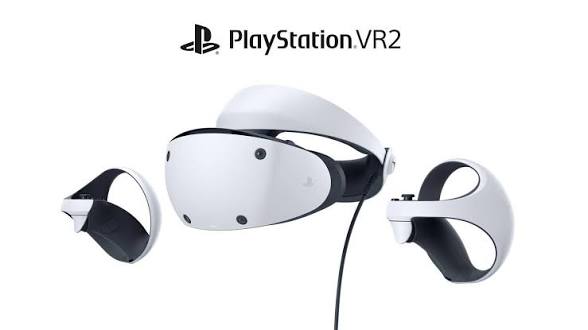
3. PlayStation VR2 (PSVR2) (Top for Console Gamers)
- User consensus: Highly rated by PS5 owners for premium OLED visuals, eye-tracking, haptics, and immersive exclusives (Horizon, GT7, RE).
- PC adapter expands it further. Scores ~8/10 in many user reviews, though some note smaller library and tethering. Mixed on PC Steam app but strong for dedicated console VR.
- Common pros: Fantastic immersion and controls.
- Cons: Requires PS5 (or PC adapter), tethered, fewer total titles than Quest.
- Best for: PS5 users wanting high-end console VR.
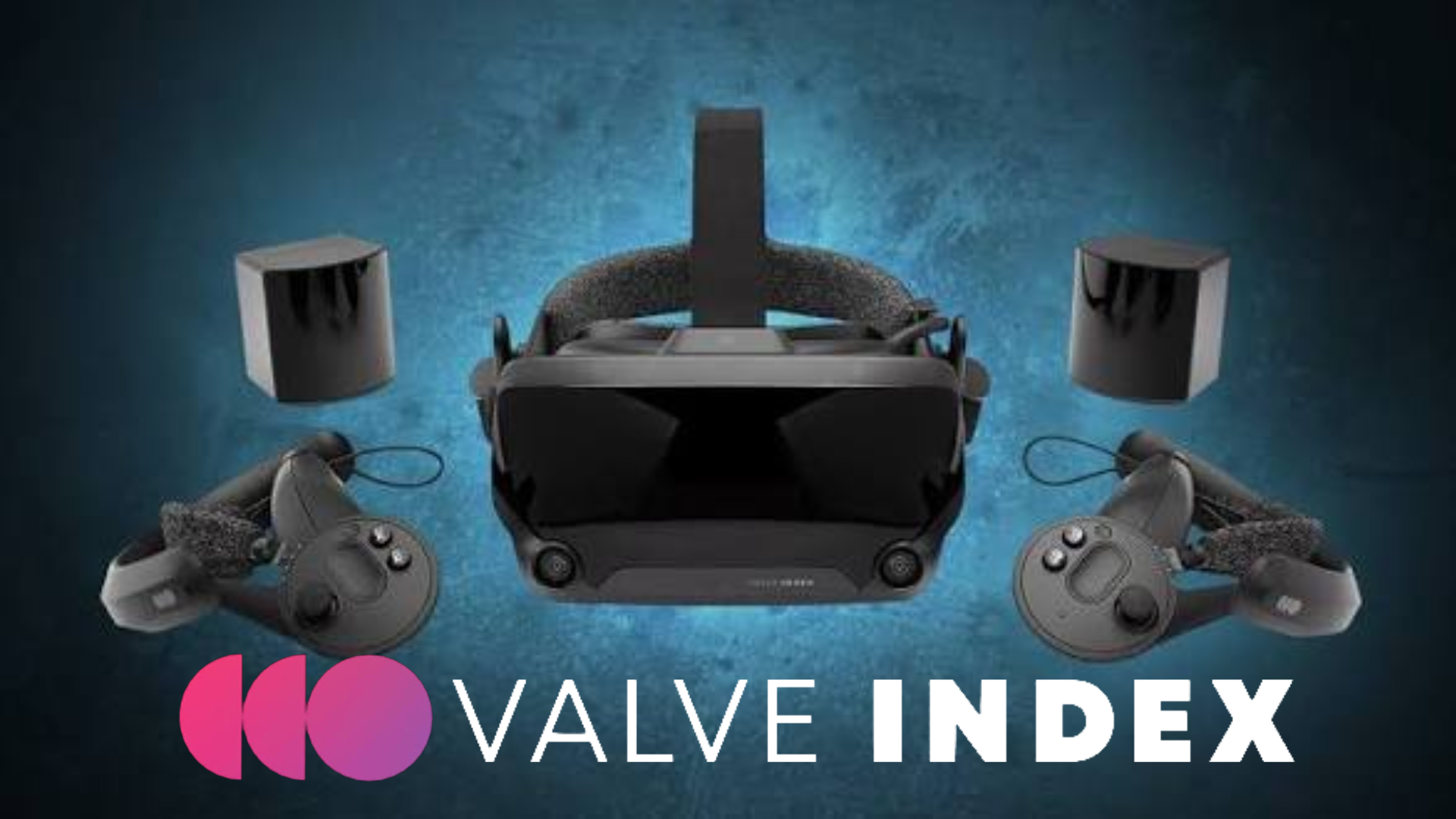
4. Valve Index (Enthusiast PCVR Favorite)
- User consensus: Still beloved by hardcore PC gamers for excellent tracking, wide FOV, high refresh (up to 144Hz), and Knuckles controllers.
- Strong in sim/racing communities. Older hardware means lower resolution vs. newer options, but loyal users give it high marks for feel and SteamVR performance (many 4.5+ ratings where available). Less popular now due to age and setup.
- Common pros: Superior controllers/tracking/FOV.
- Cons: Tethered, 2019 tech, expensive full kit, more setup.
- Best for: High-end PC owners prioritizing immersion over convenience.
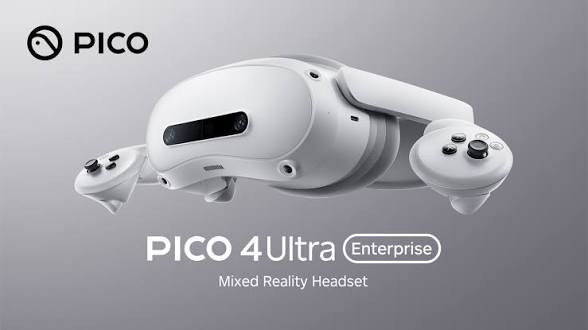
5. Pico 4 Ultra (or Similar Alternatives like HTC Vive/Pimax for Niche)
- User consensus: Solid mentions in non-Meta discussions for comfort, performance, and value (especially in regions with strong support). Gamers note good standalone/PC capabilities as a Quest alternative. Ratings are positive but lower volume than Meta options.
- Common pros: Slim design, competitive specs.
- Cons: Smaller Western library/ecosystem compared to Quest.
- Best for: Users avoiding Meta or seeking alternatives.
Notes on Gamer Ratings:
- Quests win broadly for accessibility and content volume. PSVR2 shines in quality-over-quantity console experiences. High-end PC options like Index/Pimax appeal to fidelity-focused gamers but score lower on convenience.
- Feedback evolves with updates/games; check recent Steam/Reddit threads for specifics.
- Apple Vision Pro gets high marks for displays but lower for traditional gaming/controllers.